

How to Build a Summer Curriculum
personal curriculum (0): self-studying because my brain feels like mush.

(cover from pinterest)
Although I journal every night, the entries are banal: a litany of my moral failures or lofty aspirations to “find my style.” I’m jealous of friends who, over the phone, casually develop theories like “looks-minning.” I may not agree, but I can’t offer my own frameworks of life — that section of my brain is already atrophying.
The concept of a “personal curriculum” is, by no means, new. Back in 2025, I read Celine Nguyen’s research as a leisure activity. Throughout this spring, as I drew supply-demand graphs and row-reduced matrices, I admired TikTok slideshows of monthly curricula. As a heatwave washes over the Northeast — and a fear of ticks compels me indoors — I decided that this is the summer of curiosities.
And here is your invitation to join me on this journey.
i. my goal
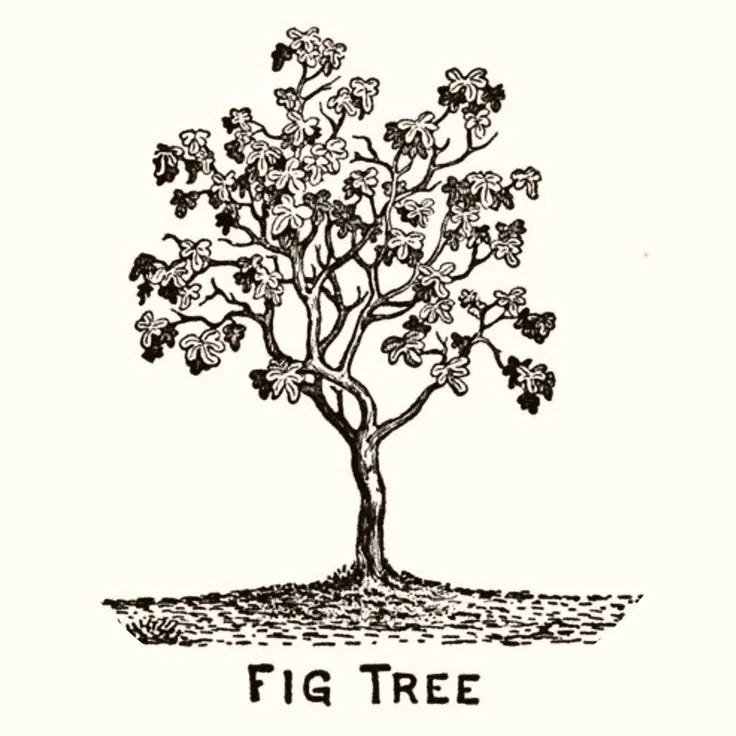
July is for exploration. I decided this as I faced a fig tree full of topics: quantum mechanics, existentialism, linguistics… Each week, I will choose a subject and learn about it. Two articles and one video — that is my arbitrary goal. Beyond that, I seek to notice more about that subject in everyday life.
The Newsletter (biweekly, perhaps)
More than anything, this newsletter is my accountability buddy.
You’ll receive my reading list and a reflection on my week of learning. Feel free to follow along! These articles will be bite-sized, so you’ll have more time to excavate your curiosities (no, not because I’m a slow writer).
ii. preparation
Here are some resources I sought out in preparation.
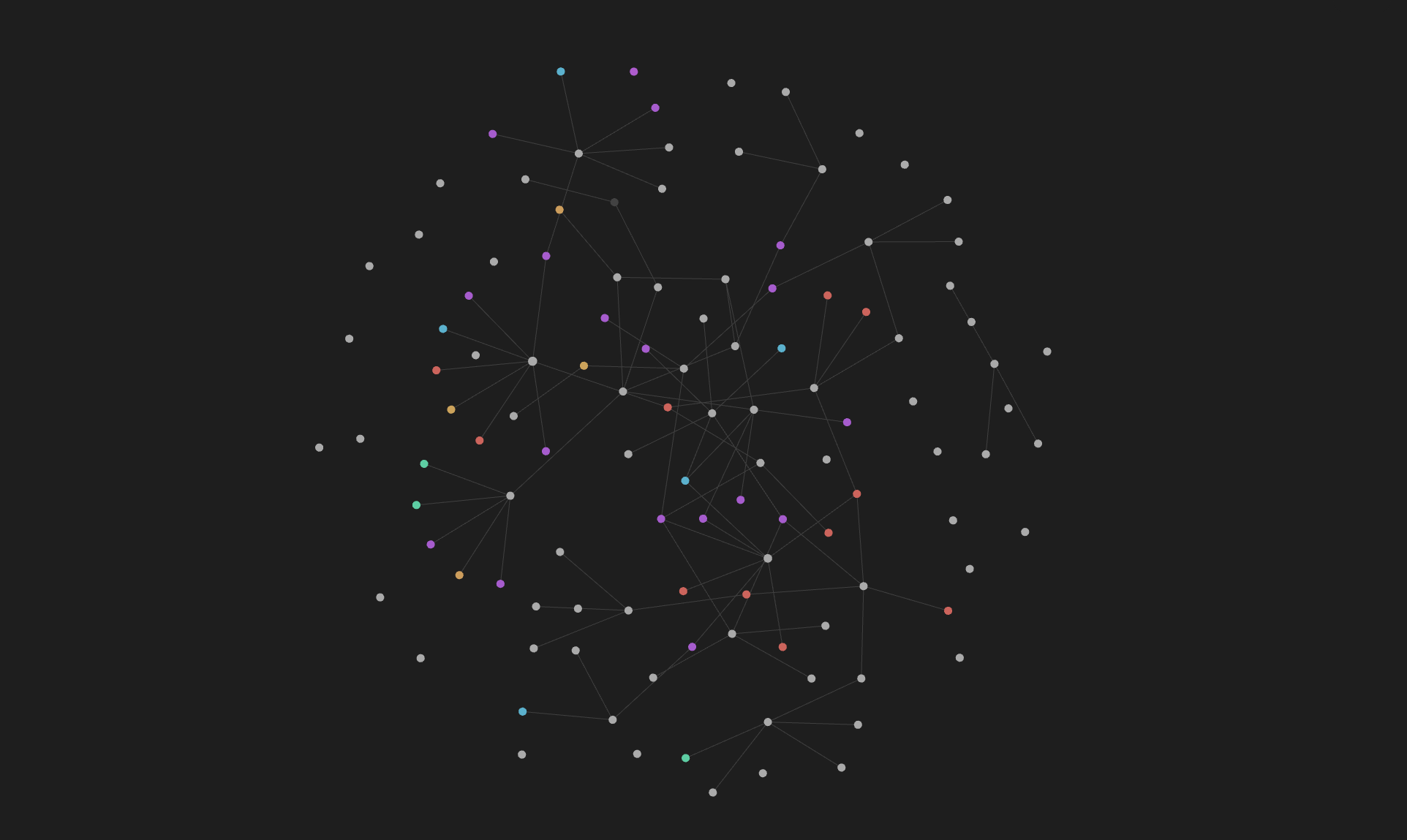
1. Setting up an Obsidian Vault
I did this last summer in the midst of my digital garden frenzy. It felt excessive to learn a new software, but a designated place for note-taking makes the learning process feel more… real — and I’m a sucker for novelty.
I would provide more instructions, but Odysseas (on YouTube) already made a great video on setting up the system:
2. Finding Resources
In May, I encountered this TikTok from Mar. I will use her four levels of research as a framework for my curriculum.
Surface search — find key concepts and conclusions (guiding posts for future research)
Source expansion — prioritize evidence (“why”) over conclusions (“what”)
Pattern recognition — evaluate sources against each other to find patterns
Depth and framework — connect ideas from different fields and ask second-order questions
Beyond the “Surface Search” — where simply Googling suffices — Mar recommends research papers. As a college student, I’m lucky to have JSTOR and ResearchGate for free, and I will make the most of those resources. Still, for the summer, I’m content with staying at “Source Expansion” as I sample a bit of each interest.
If you are compiling your own sources, scroll to iv. sources for inspiration.
3. Making a Schedule
This is the hardest part. Stretched between my 9-to-5 internship and a seasonal effort to socialize, even turning on my eReader is laborious. I deserve grace, so I’ll splurge ~30 minutes on learning.
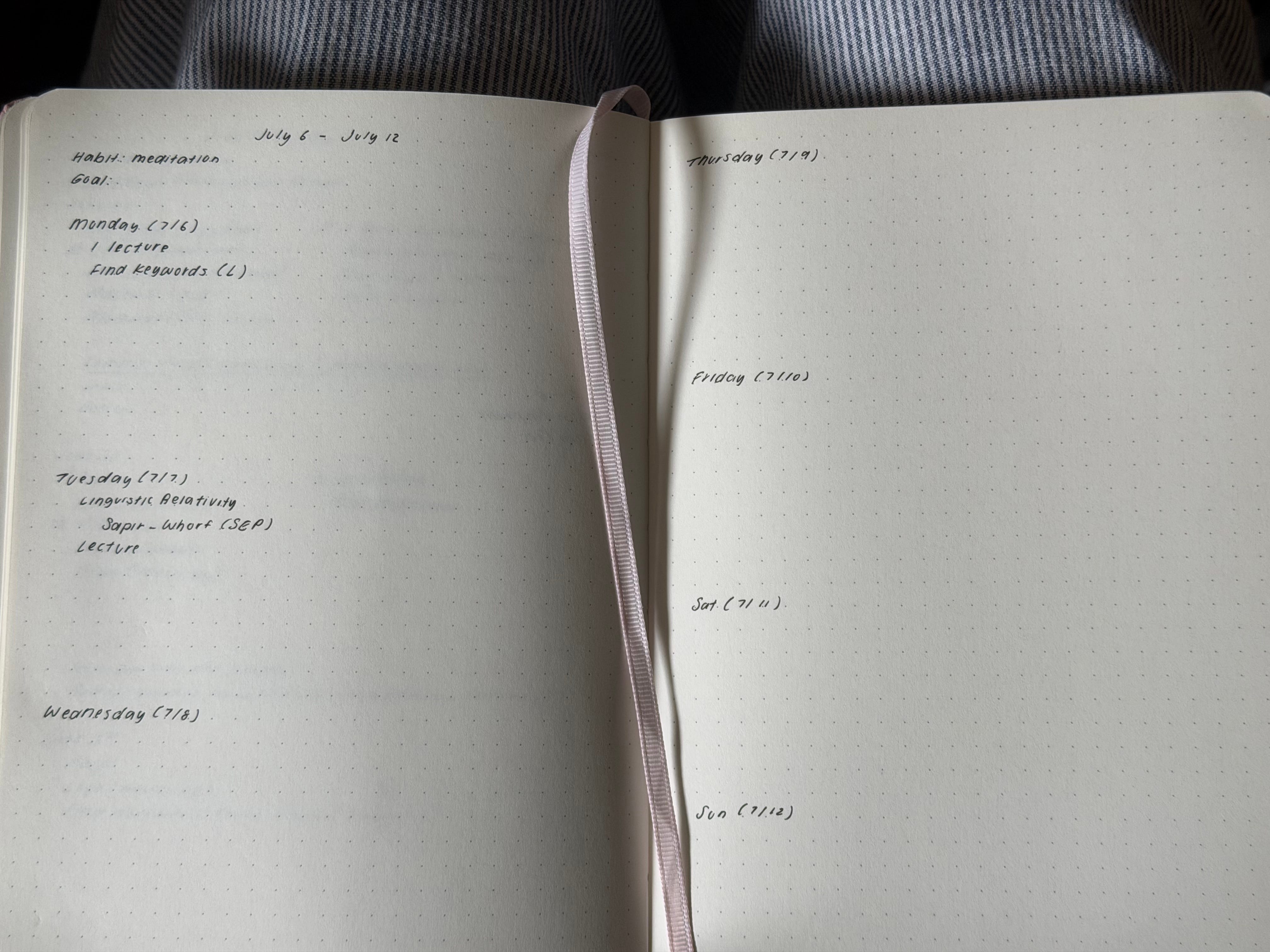
Although I enjoy structure, I’ll follow the current of my curiosities. And after sifting through key concepts on Monday, I’m certain that the page will flood with overly ambitious plans to watch three lectures in an hour. If — high on momentum — I indulge in two hours of learning, I can remind myself that there are worse addictions.
iii. conclusion
Since Thursday, when I mulled over this curriculum, my journal entries have become considerably more interesting. That night, I narrated my Uber ride; the following, I transcribed my internal monologue during meditation. But no, the cure wasn’t Wikipedia-surfing while blow-drying my hair or listening to Philosophize This! while wrestling with fitted sheets. It was binge-reading R.F. Kuang’s newest release, which — although somewhat disappointing — inspired my first weekly curriculum in linguistics.
Although nonfiction and research articles will guide my learning, I cannot neglect fiction. As Kuang’s main character finds language-learning more valuable alongside lived experience, I’m certain that contextualizing vague concepts (like linguistic determinism) through stories is equally valuable.
iv. sources
Creating your own curriculum:
articles
How I Self-Study New Subjects: The Modern Autodidact System by Sam Rinko
How to Understand Things by Nabeel S. Qureshi
Here are a few sources that I’m considering:
podcasts
Philosophize This! by Stephen West (philosophy)
Wild Geese by Anna Howard (society)
Ologies by Alie Ward (science)
websites/apps
Stanford Encyclopedia of Philosophy (philosophy)
Khan Academy (all subjects)
OpenCourseWare from Universities (all subjects)
Imprint app (all subjects)
Thanks for reading! See you next week?
I love this!! It’s inspired me to start deep diving 😄
I like the idea of treating learning as something you can design without turning it into another productivity performance. A good curriculum should make curiosity easier to sustain, not make you feel guilty for having too much of it.